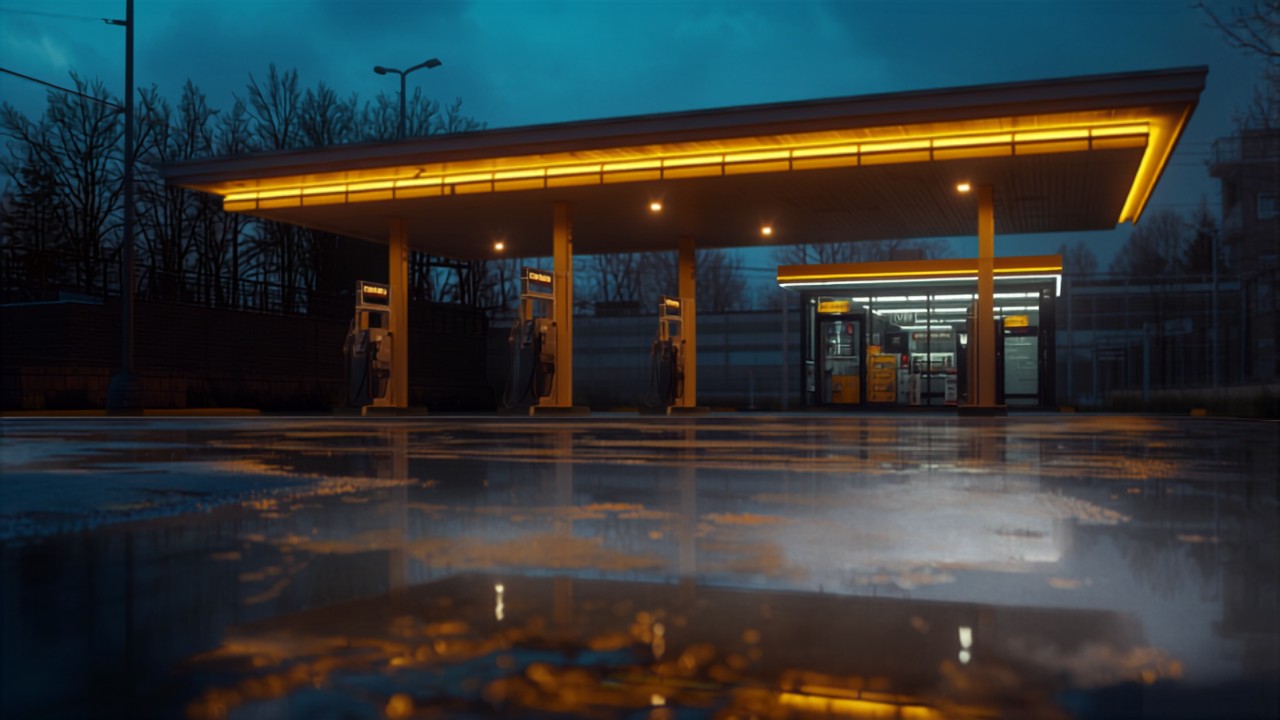
Gas stations and car washes are the workhorses of American convenience. They sit on nearly every major intersection, serve thousands of vehicles per week, and generate cash flow that can be remarkably stable—if you know what you are doing. But from a lender's perspective, they are also environmental minefields, single-use real estate nightmares, and business operations disguised as property investments. Financing these assets requires a completely different playbook than traditional commercial real estate.
What Are They, Really?
A gas station is rarely just a gas station. Most are multi-revenue businesses: fuel sales, convenience store operations, car wash services, lottery, tobacco, and sometimes quick-service food. The real estate is secondary to the business operation. The underground storage tanks (USTs), fuel dispensers, canopy, and environmental compliance infrastructure often cost more than the land itself.
A car wash is equally operation-dependent. Whether it is an express exterior tunnel, a self-service bay, or a full-service detail operation, the equipment—conveyors, water reclamation systems, vacuums, POS systems—represents a massive capital investment. The building is just a shell. The business is the machinery, the water, the chemistry, and the throughput.
How Lenders View Gas Stations & Car Washes
Lenders approach automotive specialty properties with a mix of attraction and fear. The attraction is cash flow. A well-located gas station or express car wash can generate strong, predictable revenue with high margins on non-fuel items. The fear is contamination, obsolescence, and operator dependency.
The Environmental Terror
Underground storage tanks leak. It is not a question of if; it is a question of when and how badly. A single leaking UST can trigger hundreds of thousands—or millions—of dollars in remediation costs. Lenders know that if they foreclose on a contaminated gas station, they may inherit the cleanup liability. This is why environmental due diligence is non-negotiable. A Phase I Environmental Site Assessment is the minimum. If the property is older or has a history of fuel operations, a Phase II with soil and groundwater testing is often required.
Single-Use Real Estate Risk
A gas station cannot easily become a retail store. The canopy, the pumps, the USTs, and the environmental history make repurposing expensive and legally complex. A car wash tunnel is similarly difficult to convert. Lenders know that if they have to take the property back, the buyer pool is tiny. This means lower loan-to-value ratios—typically 65-70% maximum—and higher interest rates than traditional CRE.
Operator Dependency
A gas station with a terrible operator loses money even on a great corner. A car wash with broken equipment and dirty bays bleeds customers regardless of traffic count. Lenders underwrite the operator as heavily as the real estate. If you have never operated a gas station or car wash, expect to bring in an experienced partner or pay significantly more equity.
What Lenders Require
- Environmental Reports: Phase I ESA for all deals. Phase II if red flags exist. UST compliance documentation showing tanks are double-walled, properly registered, and within regulatory lifespan. If tanks are nearing end-of-life, replacement costs must be budgeted.
- Fuel Supply Agreement: For gas stations, the fuel supplier contract matters. Is it a branded agreement (Shell, Chevron, BP) or unbranded? Branded agreements often provide marketing support and supply stability, which lenders like.
- Business Financials: 3 years of P&Ls broken out by revenue stream: fuel, c-store, car wash, lottery, etc. Fuel margins are thin—often 10-20 cents per gallon—so lenders want to see that non-fuel revenue is strong. For car washes, they want to see ticket averages, membership program revenue, and throughput numbers.
- Equipment Appraisal: Car wash equipment has a specific useful life and replacement cycle. Lenders may require an equipment appraisal separate from the real estate appraisal.
- Traffic Count & Demographics: For gas stations, daily traffic count at the intersection is critical. For car washes, household density within 3 miles and average household income drive demand.
- Experience & Management: First-time operators face steep resistance. Lenders prefer borrowers with 3+ years of direct operational experience. If you lack it, bring in a manager with a track record or expect to put 35-40% down.
- Liquidity & Net Worth: Expect to show 6-12 months of debt service in liquid assets post-closing. Net worth requirements vary but often equal or exceed the loan amount.
How to Package the Loan Application
- Executive Summary: Property address, purchase price, loan request, borrower background, and why this location works. Include a site map and photos.
- Business History & Projections: 3 years of actual P&Ls plus 2 years of projections. Explain seasonality, fuel margin trends, and non-fuel revenue growth.
- Environmental Package: Phase I ESA, UST compliance docs, any prior remediation reports, and environmental insurance quotes if applicable.
- Real Estate Appraisal: From an appraiser experienced in gas stations or car washes. Standard commercial appraisers often undervalue these assets.
- Equipment List & Condition: Age, manufacturer, maintenance records, and replacement timeline for all major equipment.
- Market Analysis: Traffic counts, competition mapping, demographic profile, and demand justification.
- Use of Funds: Breakdown of purchase price, equipment, inventory, working capital, closing costs, and reserves.
- Exit Strategy: How will the loan be paid off? Refinance? Sale? Business cash flow? Be specific.
Peculiarities of Underwriting
- Fuel Margins Are Misleading: Gas stations make almost nothing on fuel. The profit is in the c-store, car wash, and ancillary services. Lenders know this. If your fuel volume is high but c-store sales are weak, the loan is weaker than it looks.
- EBITDA Adjustments: Lenders will add back owner salary, personal vehicle fuel, and non-cash expenses—but they will scrutinize cash-based revenue. If you are not reporting all cash sales, your loan looks smaller than your actual business.
- Water & Utility Costs: For car washes, water is a massive expense. In drought-prone areas, water reclamation systems are not just environmentally friendly—they are economically necessary.
- Seasonality: Car washes spike in spring and fall, dip in winter. Gas stations spike before holidays and summer travel. Your projections must reflect this, and your reserves must cover slow months.
- Regulatory Changes: EV charging mandates, environmental regulations, and fuel composition rules are changing. Lenders are increasingly asking about future-proofing plans. A gas station without EV charging plans may be seen as a declining asset.
Mistakes to Avoid
- Buying Without Environmental Due Diligence: Never, ever purchase a gas station without a Phase I ESA. If the seller refuses, walk away. Contamination can cost more than the property is worth.
- Ignoring UST Age & Compliance: Tanks over 30 years old are nearing end-of-life. Replacement costs $200,000-$500,000. If you do not budget this, you are buying a ticking time bomb.
- Overpaying for Fuel Volume: High gallons pumped do not equal high profit. A station doing 150,000 gallons monthly with weak c-store sales is less valuable than one doing 80,000 gallons with strong car wash and convenience revenue.
- Choosing the Wrong Location for Car Washes: Traffic count matters, but speed matters more. A car wash on a 55-mph highway with no turn lane will fail. You need 25,000+ vehicles per day at under 45 mph with good ingress/egress.
- Underestimating Equipment Costs: Car wash equipment is expensive to maintain. A broken conveyor or reclaim system can shut you down for weeks. Budget 5-10% of gross revenue for maintenance.
- Going It Alone as a First-Timer: If you have never operated a gas station or car wash, partner with someone who has. Lenders will require it, and your survival depends on it.
How to Research the Best Locations
- Gas Stations: Study DOT traffic count data for intersections. Look for 30,000+ daily vehicles, signalized corners, and proximity to daily trip generators (grocery stores, schools, offices). Check competition within 1 mile. Analyze fuel pricing in the area—if you are entering a price war zone, margins will be crushed. Review zoning for signage visibility and ingress/egress constraints.
- Car Washes: Target household-dense areas with 3-5 mile radius population of 50,000+. Average household income should match your service tier—express washes thrive in middle-income suburbs, full-service in affluent areas. Avoid locations with speed limits over 45 mph. Ensure 150+ feet of frontage for stacking and queuing. Check water utility rates and availability—some municipalities restrict commercial water use.
Final Thoughts
Gas stations and car washes are not passive real estate investments. They are operating businesses with real estate attached. The lenders who finance them know this. If you approach the deal with operational expertise, environmental caution, and location discipline, these assets can generate extraordinary cash flow. If you approach them like an apartment building, you will lose money—and possibly your loan.