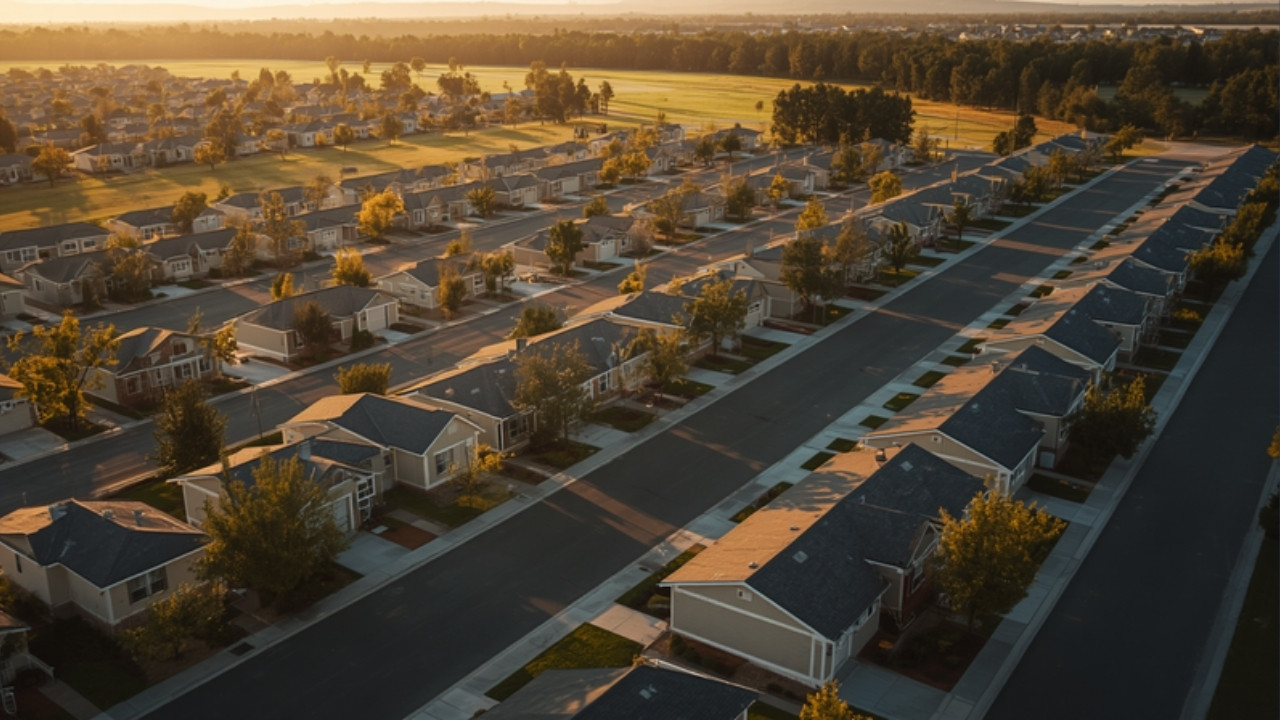
Mobile home parks are one of the most misunderstood and underappreciated assets in commercial real estate. To the untrained eye, they are trailer parks—low-rent, low-status, low-return. To the educated investor, they are cash-flow machines with recession-resistant demand, limited new supply, and regulatory moats that protect existing operators. Warren Buffett owns mobile home manufacturing. Sam Z built a fortune on affordable housing. There is a reason.
What Are They, Really?
A mobile home park is a land lease business. You own the land, the infrastructure, and the common areas. Your tenants own their homes and pay you monthly lot rent to park them on your property. Some parks also own and rent the homes themselves, but the purest and most profitable model is land-only: you collect rent for dirt, water, sewer, and electricity access.
The economics are simple. Lot rents are lower than apartment rents, but the cost to provide the space is minimal. There is no interior maintenance, no unit turnover rehab, no carpet replacement. The tenant owns the home and has every incentive to stay put—moving a mobile home costs $5,000-$15,000. This creates sticky, long-term tenancy with low turnover costs.
How Lenders View Mobile Home Parks
Lenders are increasingly attracted to mobile home parks because of their stability. During recessions, demand for affordable housing rises. During booms, rising construction costs make new park development nearly impossible, protecting existing supply. But lenders also know that mobile home parks carry unique risks: rent control, tenant relations, infrastructure age, and municipal hostility.
Recession-Resistant Demand
When the economy contracts, people downsize. Apartments become unaffordable. Single-family homes are out of reach. Mobile home parks absorb this demand. Lot rents typically range from $300-$800 monthly, compared to $1,200-$2,500 for apartments. This affordability gap is the moat. Lenders like assets that perform in both good times and bad.
The Infrastructure Risk
The hidden risk in mobile home parks is what is underground: water lines, sewer lines, electrical infrastructure, and roads. If the park was built in the 1960s or 70s, that infrastructure is aging. Replacing a park-wide sewer system can cost $500,000-$2,000,000. Lenders want to know the condition of this infrastructure before they fund. A Phase I environmental is standard, but a private infrastructure inspection is equally important.
Municipal & Regulatory Risk
Many municipalities hate mobile home parks. They see them as eyesores, tax drains, or obstacles to gentrification. Some cities have imposed moratoriums on new park development. Others have passed rent control ordinances. A few have tried to force park closures to redevelop the land. Lenders evaluate the political climate. A park in a rapidly gentrifying area with no rent control may be a goldmine—or it may be a target for closure.
What Lenders Require
- Rent Roll & Occupancy History: 3 years of monthly rent rolls showing lot rent, home rent (if applicable), utility reimbursements, and vacancy rates. Occupancy should be 85%+ for financing. 90%+ is ideal.
- Park-Owned vs. Tenant-Owned Homes: Lenders prefer tenant-owned homes. Park-owned homes require maintenance, capital, and management that lenders view as operational risk. If more than 30% of homes are park-owned, expect scrutiny and potentially lower leverage.
- Infrastructure Assessment: A licensed plumber or civil engineer should inspect water, sewer, and electrical systems. Provide age, material (galvanized steel, PVC, copper), repair history, and replacement timeline.
- Utility Structure: Who pays for water, sewer, trash, and electricity? Master-metered parks (where the owner pays and bills back) are less attractive than individually metered parks. Submetering is preferred.
- Zoning & Compliance: Confirm the park is legally permitted and non-conforming use is grandfathered. Provide site plans, lot count, setbacks, and any violations.
- Environmental Report: Phase I ESA is standard. If the park has on-site septic or well water, additional testing is required. Flood zone determination is critical—parks in flood plains face insurance and regulatory hurdles.
- Tenant Lease Agreements: Month-to-month leases are common but less attractive than annual leases. Lenders want to see lease terms, rent escalation clauses, and rules enforcement.
- Financials: 3 years of P&Ls, tax returns, and balance sheets. Expense ratios should be 30-40% of gross income. Higher ratios indicate mismanagement or deferred maintenance.
- Borrower Experience: First-time park owners face resistance. Lenders prefer operators with 2+ years of mobile home park or multifamily experience.
- Liquidity & Net Worth: 6-12 months debt service reserves post-closing. Net worth equal to or exceeding loan amount.
How to Package the Loan Application
- Executive Summary: Park name, location, lot count, occupancy, average lot rent, and borrower experience.
- Rent Roll: Current and historical, with home ownership status, rent amounts, and vacancy trends.
- Financial Statements: 3 years of actuals plus 2 years of projections. Include expense breakdowns and capital improvement plans.
- Infrastructure Report: Water, sewer, electrical, road condition, and estimated replacement costs.
- Environmental & Flood: Phase I ESA, flood zone determination, and any environmental concerns.
- Zoning & Compliance: Site plan, legal lot count, permits, and any municipal correspondence.
- Market Analysis: Housing affordability gap, apartment rent comparison, demand drivers, and competition.
- Use of Funds: Acquisition, infrastructure repairs, pad upgrades, working capital, and reserves.
- Exit Strategy: Refinance, cash flow payoff, or value-add sale after occupancy and rent increases.
Peculiarities of Underwriting
- Lot Rent vs. Home Rent: Lenders value lot rent at a 8-10% cap rate. Home rent is valued at a 12-15% cap rate because of the operational burden. If your park generates 50% of revenue from home rentals, the valuation is lower than a lot-rent-only park.
- Economic Occupancy vs. Physical Occupancy: Physical occupancy is how many lots are filled. Economic occupancy is how many are paying. A park with 95% physical occupancy but 80% economic occupancy has a collection problem, not a demand problem.
- Rent Control Sensitivity: If the municipality has rent control, lenders will cap your rent growth assumptions. This lowers future value and debt service coverage. Know the local laws before you model returns.
- Utility Pass-Through: If you bill utilities back to tenants, this is additional revenue—but also additional administrative cost. Lenders want to see consistent, documented pass-through billing.
- Road & Common Area Maintenance: Paved roads, streetlights, landscaping, and community buildings require ongoing capital. Budget $300-$500 per lot annually for common area maintenance.
Mistakes to Avoid
- Confusing Park-Owned Homes with Real Estate: Park-owned homes are personal property, not real estate. They depreciate, require maintenance, and create tenant-landlord legal obligations. The pure play is land-only. If you buy park-owned homes, budget for constant capital.
- Ignoring Infrastructure Age: A park with 1960s galvanized steel water lines is a ticking time bomb. Get a private infrastructure inspection before you buy. If the seller will not allow it, walk away.
- Underestimating Municipal Risk: Research the city's attitude toward mobile home parks. Are there closure ordinances? Rent control proposals? Gentrification plans? Talk to the planning department. Read city council minutes. This is due diligence, not paranoia.
- Overpaying Based on Pro Forma: Sellers love to show pro formas with 20% rent increases and 100% occupancy. Lenders will underwrite to actuals, not dreams. Pay based on current performance, not future potential.
- Neglecting Tenant Screening: Bad tenants destroy parks. Drug activity, domestic disputes, and property neglect spread fast. Implement strict screening, clear rules, and consistent enforcement.
- Buying in a Flood Zone: Flood insurance for mobile home parks is expensive and increasingly difficult to obtain. FEMA maps are changing. Verify flood status and insurance availability before you commit.
- Trying to Manage Remotely: Mobile home parks require hands-on management. Tenants have unique needs. Infrastructure requires constant attention. If you cannot visit weekly, hire a local manager with authority.
How to Research the Best Locations
- Housing Affordability Gap: Compare median household income to median apartment rent and median home price. If apartments are unaffordable and homeownership is out of reach, mobile home demand is strong. Target markets where lot rent is 20-30% of median household income.
- Employment Stability: Mobile home residents need stable, working-class jobs. Manufacturing, logistics, healthcare, and government employment are ideal. Avoid markets dependent on volatile industries like tourism or seasonal agriculture.
- Supply Constraints: New mobile home parks are rarely built due to zoning restrictions and NIMBYism. Markets with zero new park development in 10+ years have protected supply. This is your moat.
- Population Growth: Slow, steady growth is better than explosive growth. Rapid growth brings apartment construction that competes with your affordability advantage.
- Municipal Climate: Research city council attitudes, zoning maps, and any rent control or closure ordinances. A park in a hostile municipality is a park at risk.
- Infrastructure & Utilities: Confirm municipal water and sewer are available. Well water and septic systems add risk and maintenance cost. Check road access and proximity to schools, grocery stores, and employment centers.
Final Thoughts
Mobile home parks are not glamorous. They will never impress anyone at a cocktail party. But they generate cash flow, withstand recessions, and benefit from regulatory barriers that prevent new competition. If you can handle the operational reality—tenant relations, infrastructure maintenance, and municipal navigation—the financial rewards are substantial. Approach financing with clean books, clear infrastructure data, and a respect for the asset class. Lenders are waking up to mobile home parks. Make sure your deal is the one they fund.