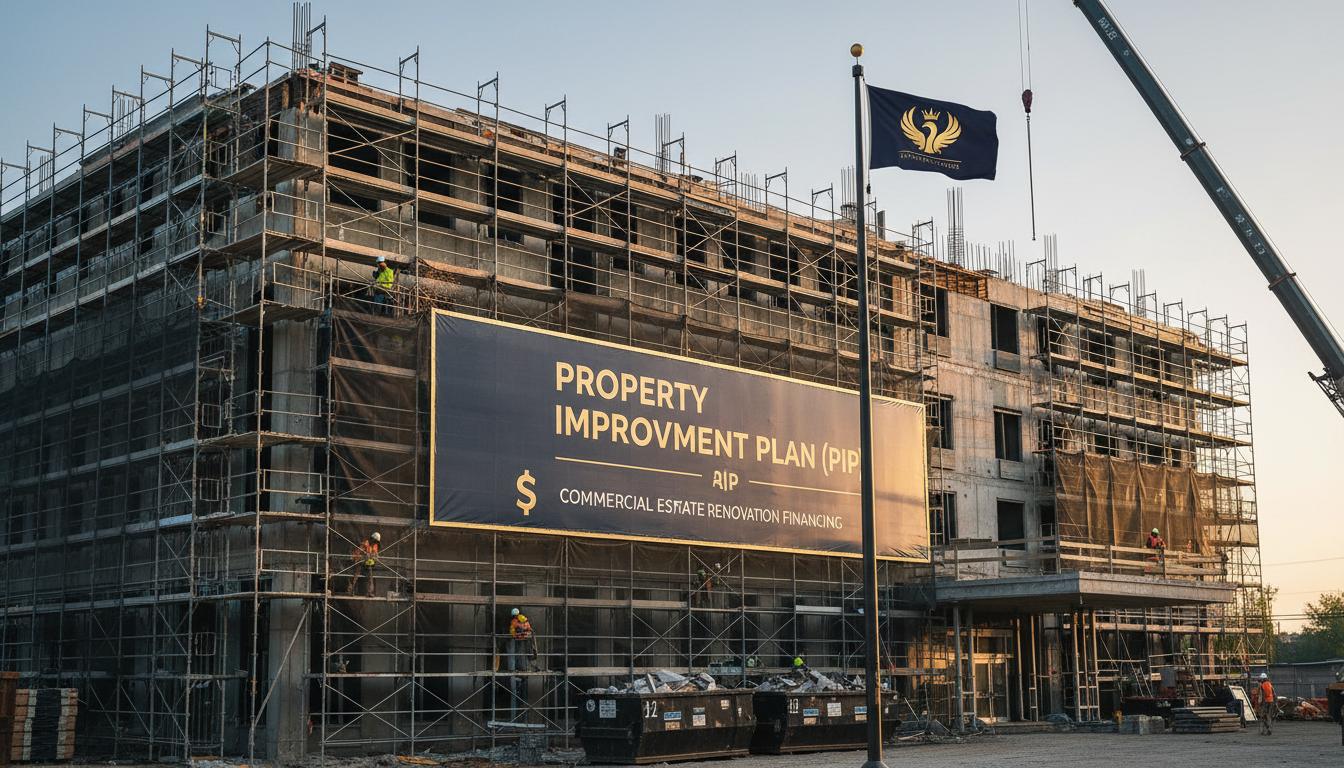
Property Improvement Plans (PIPs) are a fact of life for hotel owners. Brand-mandated renovations are essential for maintaining franchise flags, complying with brand standards, and positioning the property to compete effectively in its market. But PIPs are expensive — and most hotel owners do not have $2-5 million in liquid capital sitting around to fund them.
This is where PIP bridge financing comes in. In this practical guide, Fintek Capital LLC explains how PIP financing works, how to structure it, and what hotel owners need to know before applying.
What Is a PIP and Why Does It Matter?
A Property Improvement Plan is a brand-mandated renovation program that franchisees must complete to maintain their franchise agreement. PIPs typically cover guest rooms, public areas, signage, exterior improvements, technology upgrades, and brand-standard compliance items.
Failing to complete a PIP can result in loss of the franchise flag — which typically reduces RevPAR by 20-40% and makes refinancing significantly more difficult. The cost of losing the flag far exceeds the cost of completing the PIP.
How PIP Bridge Financing Works
1. Capital for Renovations
PIP bridge loans provide capital specifically earmarked for renovation costs. Lenders structure these as draw-based facilities — funds are released as renovation milestones are completed and verified by third-party inspectors.
2. Existing Debt Refinancing
Most PIP bridge loans also refinance the property's existing debt. This allows the owner to consolidate the renovation budget and existing loan into a single facility, simplifying cash flow management.
3. Flexible Terms
PIP bridge loans typically have 12-24 month terms with interest-only payments. This gives the property time to complete renovations, re-establish stabilized cash flow, and then refinance into permanent financing.
4. Post-Renovation Refinance
Once the PIP is complete and the property has demonstrated post-renovation performance, the bridge loan is paid off through permanent financing — typically a CMBS loan, agency loan, or bank term loan at much lower rates.
What Lenders Look For
- Clear renovation budget: Itemized contractor bids and a realistic timeline.
- Post-renovation RevPAR projections: Realistic projections based on market comps.
- Franchise agreement review: Lenders want to confirm the PIP scope and timeline.
- Experienced operator: Track record of completing renovations on time and on budget.
- Debt service coverage: Even during renovation, the property must service debt.
Conclusion
PIP financing is a specialized but increasingly common form of bridge lending. Hotel owners who plan ahead, work with experienced lenders, and structure their capital stack properly can complete their PIPs on time, preserve their franchise flags, and emerge with significantly improved properties. Contact Fintek Capital LLC to discuss your PIP financing needs.