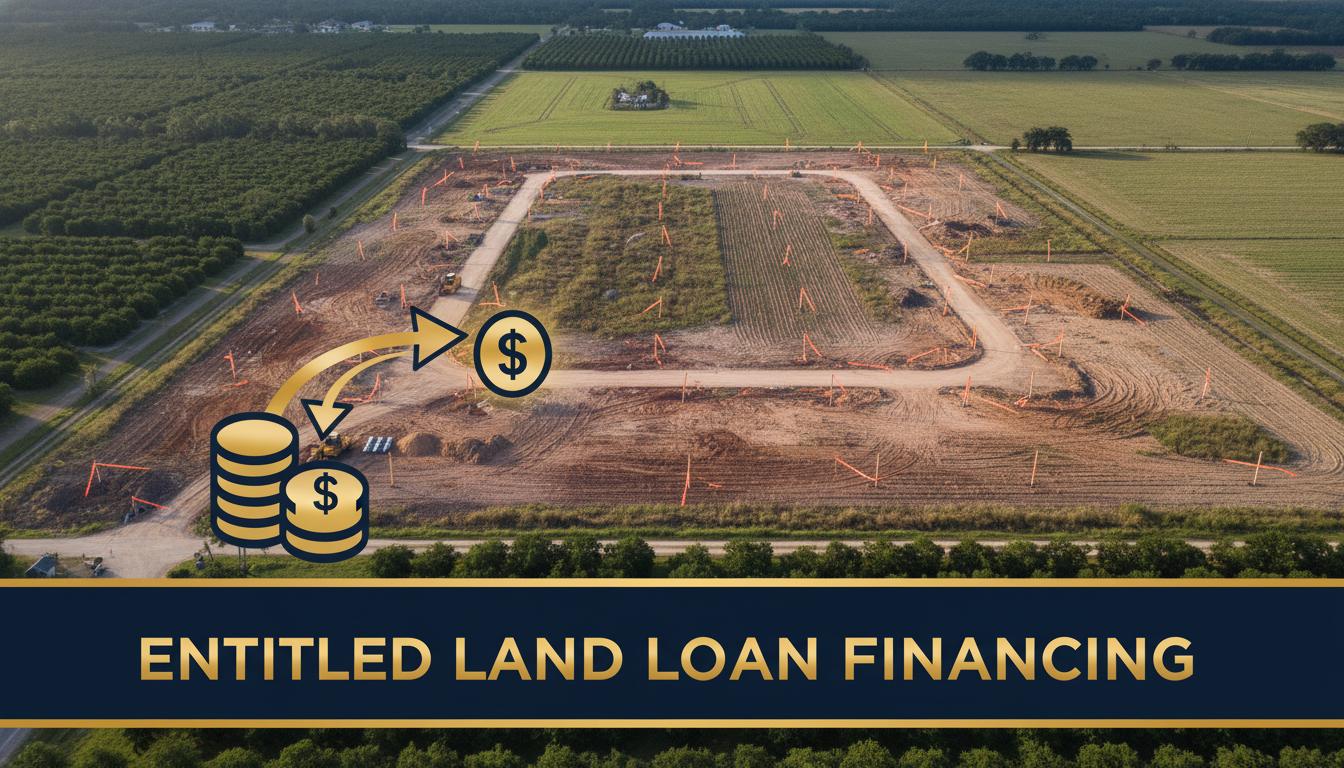
Rural commercial land in Florida — whether agricultural, timber, recreational, or entitled development land — presents unique financing challenges. Most traditional lenders avoid rural land because of its illiquidity, limited cash flow, and appraisal complexity. But capital is available for the right borrower, the right property, and the right structure.
In this article, Fintek Capital LLC breaks down who funds rural commercial land in Florida, what they look for, and how to structure a successful financing request.
Why Most Lenders Avoid Rural Land
Three factors make rural land financing challenging: illiquidity (slower sales, limited comps), no immediate cash flow (land generates no rental income), and appraisal complexity (rural comps are limited and often dated).
Who Does Fund Rural Land in Florida?
- Hard Money and Private Lenders: Asset-based, relationship-driven, flexible terms. 50-65% LTV, 12-18% rates.
- Community and Regional Banks: If the borrower has an existing relationship and strong financials.
- Credit Unions: Some Florida credit unions have active land lending programs.
- Seller Financing: Common in rural land transactions. Typically 20-30% down, 5-10% rate.
- Specialized Bridge Lenders: Fintek Capital provides bridge financing for entitled rural land with clear development paths.
What Lenders Look For
Lenders who fund rural land typically look for: clear development path (entitlements, approvals, or permitted use), borrower experience (track record with land or development), strong equity position (35-50% down payment), exit strategy (sale, development, or refinancing), and realistic valuations (appraisals based on actual rural comps).
Conclusion
Rural commercial land in Florida can be financed — but it requires the right lender, the right structure, and the right borrower. Contact Fintek Capital LLC to discuss rural land financing options.